Choose Cardboard Boxes for Fruit and Vegetables for Retail Display Packaging
Creating the Ideal Tailored Produce Boxes: A Step-by-Step Approach
Creating specialized fruit and vegetable boxes demands a calculated approach. Professionals must evaluate sustainability, functionality, and visual appeal. Choosing the right materials is essential for preserving freshness and supporting environmentally conscious methods. Furthermore, size and shape can significantly impact ease of use and transport effectiveness. Effective graphics enhance brand recognition, while thorough testing ensures longevity. Comprehending these components will uncover key insights into creating exceptional packaging solutions that resonate with consumers. What comes after is fundamental to reaching those objectives.
Choosing the Right Materials for Custom Produce Boxes
When determining materials for custom produce boxes, it is vital to examine both practical use and sustainability. The selection of material substantially shapes the box's durability, weight, and ability to defend the contents. Common materials include corrugated cardboard, which renders strength and is able to be reused, making it a favored choice for eco-conscious businesses. Biodegradable options, such as molded pulp or plant-based plastics, also align with sustainable practices while providing adequate protection for delicate produce.
Additionally, water resistance is important for preserving product freshness, leading some producers to examine specially processed substances or specialized coatings. The visual character of the box warrants attention, as brand messaging and design aesthetics can impact customer attitudes. Ultimately, the proper selection should achieve balance between preserving the goods, appealing to customers, and adhering to environmental standards, ensuring both functionality and sustainability are prioritized to the creation phase.
How to Find the Right Size and Shape for Functionality?
When selecting the dimensions and form of custom produce boxes, thorough evaluation of produce dimensions is crucial for effective storage. Additionally, considerations for movement and transportation can affect the box design, guaranteeing ease of movement. Maximizing shelf space usage further improves functionality, allowing for efficient display and storage.
Evaluate Produce Measurements Carefully
Determining the proper size and shape for produce boxes is vital for smooth operations and productivity. Careful measurement of produce measurements is essential, as it confirms that items fit firmly without unnecessary space that might create damage during storage or transport. Specialized boxes need to handle various configurations, from tender fruits to oversized produce, while keeping robustness. Additionally, the length and depth of the boxes should allow for proper layering and inventory control, optimizing space in distribution centers. A expertly crafted container not only protects the produce but also enhances market presentation for shoppers. Ultimately, meticulous planning of dimensions aids in waste prevention and enriching customer journey in the product distribution.
Evaluate Handling and Transport Needs
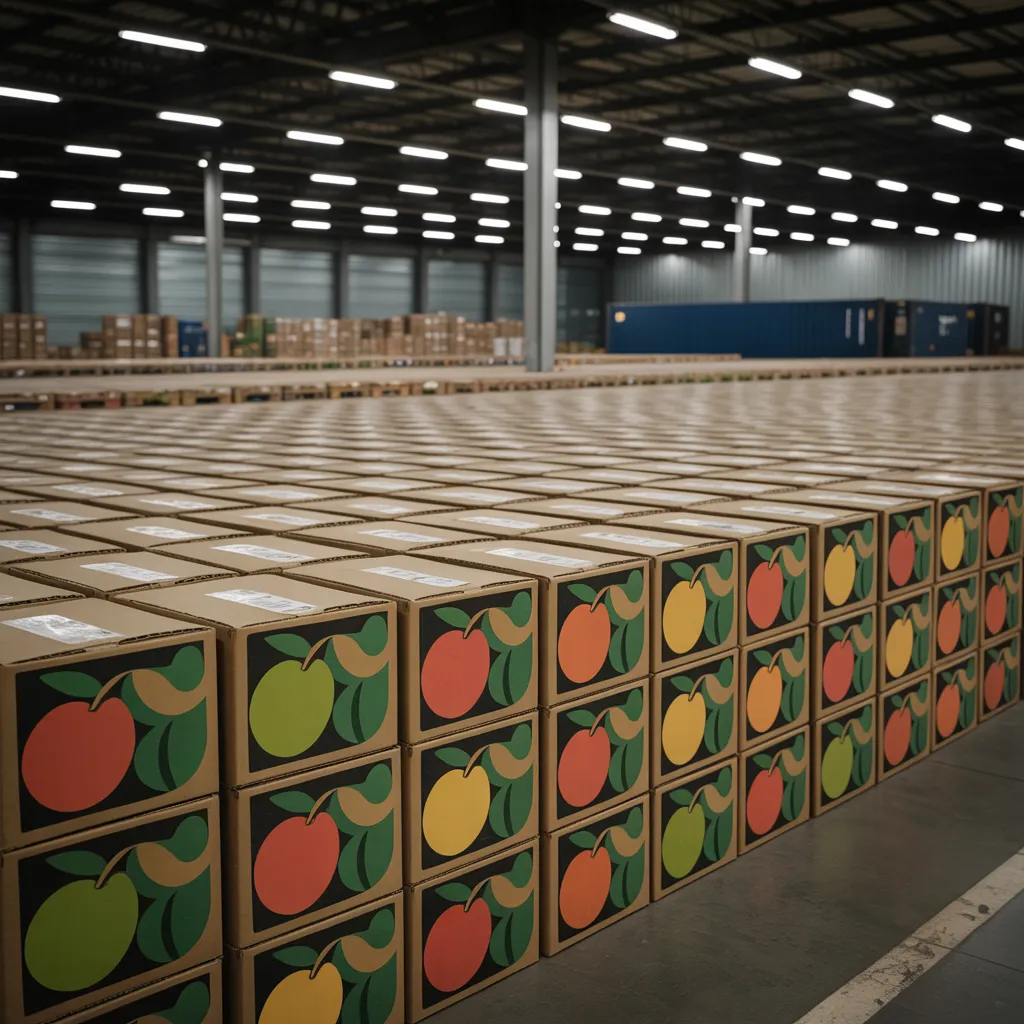
Handling and delivery considerations have a significant role in determining the appropriate size and configuration of custom produce containers. The dimensions need to contain the produce with no excessive area, which could lead to shifting and harm during transport. Smaller, compact boxes facilitate simpler management, whereas big containers might prove necessary for larger products. Additionally, ergonomic design is essential; handles and access should get strategically placed to allow for comfortable lifting and carrying. The form of the box equally affects arrangement with stability, ensuring which products stay intact. Finally, thorough thought regarding such components enhances the efficiency in transport, decreases item loss, while supports the overall integrity concerning the produce from farm toward buyer.
Maximize Display Space Efficiency
Smart storage space management copyrights upon determining the fitting size and shape of purpose-built storage containers. more info Developers should factor in the layout specifications of the storage shelves as well as the sorts of vegetation being held. Rectangular boxes often solidify space efficiency, permitting for easier arrangement and stacking. By contrast, nonstandard shapes can heighten visual appeal but may result in wasted space if not meticulously planned.
It's critical to scrutinize the inventory turnover rate; slow-turning items might benefit from compact, readily accessible boxes. In addition, introducing modular or adjustable designs can enable multiple produce sizes while optimizing display organization. By prioritizing visual appeal combined with practicality, retailers can establish a practical and aesthetically pleasing presentation that enhances both ease of access and promotional impact.
How to Craft Visual Content That Attract Attention?
Engaging graphics can transform a basic custom produce box into a visual masterpiece that attracts attention. To accomplish this, designers should start by selecting a color palette that reflects the freshness and vibrancy of the produce. Vibrant, striking colors can inspire feelings of freshness and health, driving consumers to take a second glance.
Strong typefaces remains crucial; readable typefaces can adeptly convey essential information while amplifying visual appeal. Additionally, using excellent images of the products can establish instant connection, showcasing the item's worth and enticing prospective purchasers.
Furthermore, incorporating unique patterns or illustrations can help differentiate the brand in a crowded market. Consistency in visual components, such as logos and taglines, strengthens brand identity. Ultimately, a blend of innovation and precision in graphic design can greatly enhance the impact of custom produce boxes, making them become prominent on shelves.
Sustainable Practices for Custom Produce Box Packaging
An increasing number of companies are adopting environmentally sustainable methods for custom produce box packaging, acknowledging its significance in today's eco-aware market. These practices often include the use of biodegradable materials, such as recycled paper and plant-based plastics, which reduce environmental impact. Companies are also focusing on responsible material sourcing, ensuring that materials are obtained from responsibly managed forests or suppliers who emphasize environmental stewardship.
Furthermore, numerous brands are opting for minimalist designs that minimize waste while still effectively highlighting their products. This approach not only appeals to eco-aware consumers but also helps in reducing production costs. Moreover, businesses are progressively applying effective manufacturing processes that limit energy consumption and waste generation. By integrating these sustainable practices, companies not only enhance their brand image but also contribute positively to the planet, positioning their operations with a sustainable future.
Testing Your Personalized Produce Box Design
Testing the construction of bespoke vegetable packaging is an significant phase in confirming they meet both aesthetic and performance-based standards. This process usually encompasses studying factors such as durability, size, and usability. First, working models should be created to evaluate the package's structural integrity, making sure it can withstand transportation and preservation without affecting the contents.
Subsequently, usability evaluations can be implemented to establish how easily the boxes can be pried open, closed, and stacked. Remarks from end users can be vital in this stage, imparting insights into the box's practical value.
Furthermore, the design's visual appeal should be tested through consumer testing panels or questionnaires, gauging consumer reactions to branding elements, colors, and general appearance.
In the end, rigorous testing permits designers to enhance the box, guaranteeing it not only appeals to customers but also effectively safeguards and displays the produce within, achieving the right balance between form and function.
Advertising Your Custom Produce Boxes Effectively
Successful marketing of custom produce boxes demands a strategic approach that highlights their unique features and benefits. Companies should concentrate on identifying their target audience, whether they are local farms, grocery stores, or individual consumers. Utilizing social networking sites can amplify market visibility, showcasing the boxes' design and practicality through compelling visuals and storytelling.
Additionally, teaming up with neighborhood advocates and farming professionals can enhance credibility and enlarge customer base. Delivering incentives or cost savings during peak demand times can win over early customers and support sustained patronage.
Moreover, stressing sustainability and eco-friendliness in marketing materials can appeal to eco-minded customers. Delivering thorough details about the materials used and the positive aspects of personalized packaging options can help differentiate the item in a competitive market.
In the end, a extensive promotional approach that blends internet-based and grassroots efforts will efficiently market custom produce boxes, engaging a wide-ranging clientele and driving sales.
Often Asked Questions
What Charges Accompany Custom Produce Box Planning?
Expenses involved in custom produce box design encompass materials, printing services, labor, and transport. Furthermore, design services and order minimums can change total expenditures, causing fluctuating prices based on particular specifications and production volume.
What Length of time Is Needed to Manufacture Custom Boxes?
Production of custom boxes generally demands two to six weeks. Important elements affecting this timeframe involve design complexity, materials availability, and manufacturing output, all of which can influence shipping timelines and lead times.
Is it Feasible to Buy a Small Volume of Custom Produce Boxes?
Yes, small volumes of made-to-order produce boxes can usually be ordered. Many suppliers deliver threshold order amounts, making it possible for businesses or individuals to get tailored packaging options without needing to obligate to large quantities to start.
What Are Common Errors to Prevent in Personalized Box Design?
Common mistakes in custom box creation feature neglecting functionality, ignoring brand consistency, underestimating material quality, failing to consider target audience preferences, and overlooking environmental impact. Each aspect is essential for quality packaging and customer satisfaction.
What Actions Should I Take to Verify My Boxes Are Food-Safe?
To ensure boxes are safe for food, one must choose materials certified for food contact, avoid harmful inks and adhesives, keep cleanliness during production, and frequently check for compliance with health regulations and safety standards.